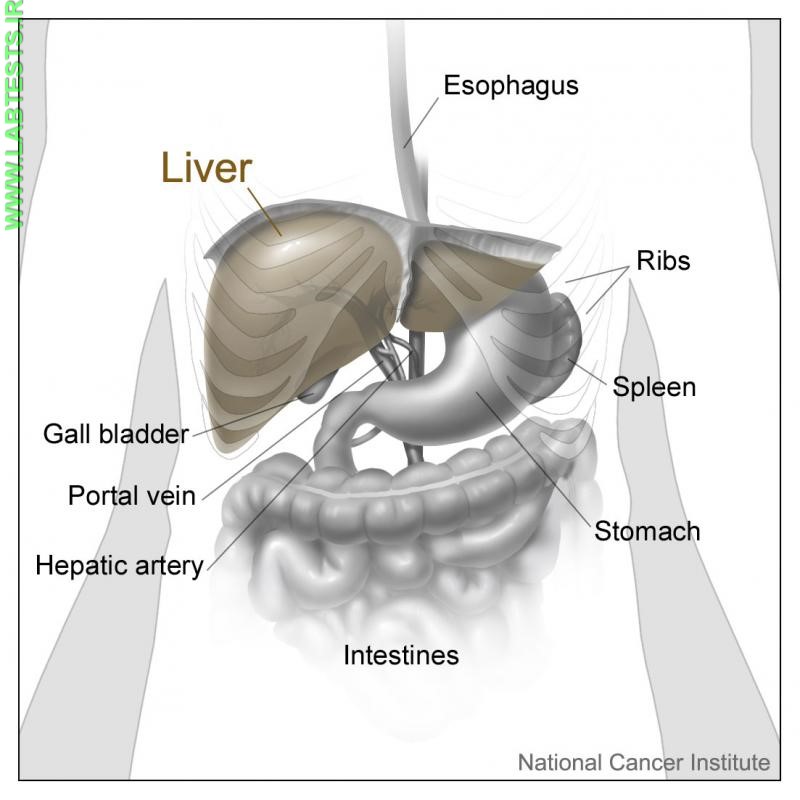
The liver is a vital organ located in the upper right-hand side of the abdomen. It is as large as a football, weighs 2-3 pounds, and performs numerous functions for the body, including: metabolizing and detoxifying substances that would otherwise be harmful to the body, converting nutrients derived from food into essential blood components, regulating blood clotting, producing proteins and enzymes, maintaining hormone balances, and storing some vitamins. The liver also makes factors that help the human immune system fight infection, removes bacteria from the blood, and makes bile, which is essential for digestion.
Bile, a greenish-yellow fluid consisting of bile acids or salts and waste products such as bilirubin (which comes from breakdown of old red blood cells) and other bile pigments, flows through small bile ducts inside the liver. The bile moves from these small ducts into larger ones, like streams into a river, eventually converging into the common bile duct and exiting the liver. Some of the bile flows directly to the duodenum; the rest is stored and concentrated in the gallbladder. After a person eats, the gallbladder, a fist-sized organ that sits next to the liver, releases some of the stored bile into the small intestine, where it helps to digest fats.
Liver disease is any condition that causes liver inflammation or damage, and may affect liver function. It is categorized both by the cause and the effect it has on the liver. Causes may include infection, injury, exposure to drugs or toxic compounds, an autoimmune process, or a genetic defect that leads to the depositing and build-up of damaging substances, such as iron or copper. Effects of these injuries to the liver may include inflammation, scarring, obstructions, blood clotting abnormalities, and liver failure. The table on the next page of this article summarizes types of liver disease with links to more information about the various types.
Types of Liver Disease
| Type of Liver Disease | Description | Examples of Causes/Conditions |
| Acute liver failure | Rapid decrease in liver function | Drugs, toxins, a variety of liver diseases |
| Alcoholic liver disease | Liver damage due to alcohol that can lead to fatty liver disease, alcoholic hepatitis, or cirrhosis | Excessive consumption of alcohol over time |
| Autoimmune-associated | The body produces an inappropriate immune response against itself; sometimes develops antibodies against own liver tissue | PBC (Primary biliary cirrhosis), PSC (Primary sclerosing cholangitis), Autoimmune hepatitis |
| Budd-Chiari syndrome | Blood clots impede blood flow from the liver; symptoms such as ascites, enlarged liver, jaundice, and abdominal pain can develop | Hypercoagulable disorders, liver injury, cancer, parasitic infection |
| Cirrhosis | Scarring of liver tissue leads to decreased liver function | Can be caused by a variety of conditions but usually a result of chronic hepatitis, alcoholism, or chronic bile duct obstruction |
| Genetic | Gene mutations can lead to liver damage, disease; relatively rare conditions | Hemochromatosis, Alpha-1 antitrypsin deficiency, Wilson disease |
| Hepatitis | Acute or chronic liver inflammation | Viruses, alcohol abuse, drugs, toxins, autoimmune, nonalcoholic fatty liver disease (NAFLD) |
| Infections | Certain infections can cause various degrees of liver damage, blockage of bile ducts | Viral hepatitis, parasitic infection |
| Liver cancer | A cancer that originates in the liver | Increased risk with cirrhosis and chronic hepatitis; hepatocellular carcinoma (HCC) is most common primary liver tumor |
| Obstruction of bile ducts | Complete or partial blockage of bile ducts | Tumors, gallstones, inflammation, trauma |